Cinematic Rating
Studio
Toei Company
Directed By





I Want To Live Once More: Shinjuku Bus Fire Incident Review
MovieWise Analysis
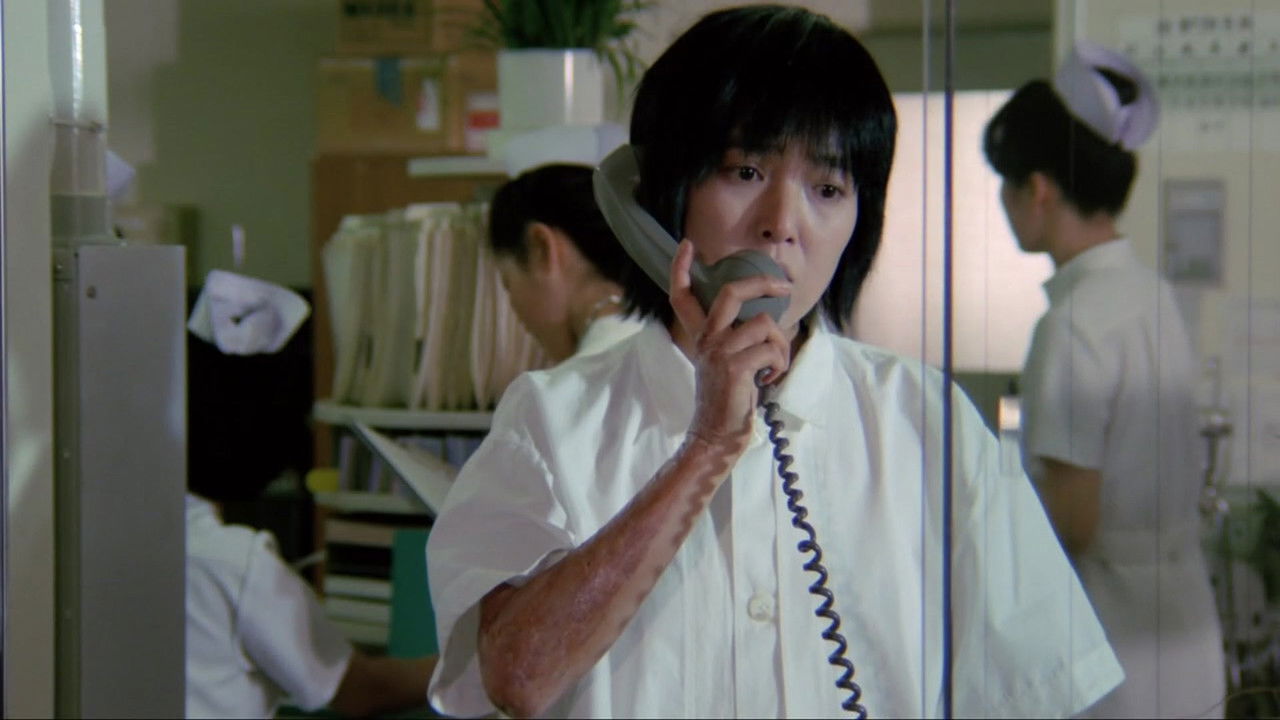
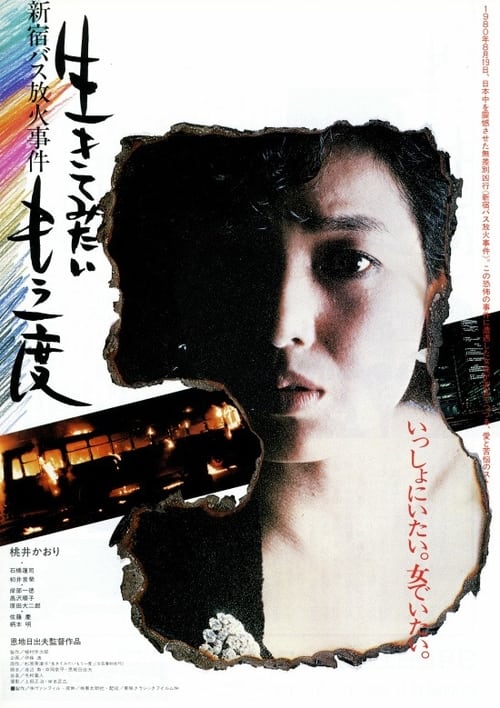
The Story: Released in 1985, I Want To Live Once More: Shinjuku Bus Fire Incident centers on a narrative that explores Drama, Crime. On the night of August 19, 1980, a bus was set on fire by the vagrant Hirofumi Maruyama at the Shinjuku West Exit Bus Terminal. In the burning flames, Mitsuko, who was exhausted by her affair, suddenly thought of suicide. As a result, she escaped too late from the bus and suffered a serious injury. From there, she was hospitalized for a long time. As she gradually recovered, the wife of her affair partner, Soroku Sugihara, died of cancer. Soroku proposed to Mitsuko again, and they lived together. Due to Soroku's mounting debt, they decided to flee to Tojinbo. With the desperate persuasion of her acquaintances, Mitsuko regained her desire to "live again."
Cinematic Style: The production design and direction elevate the core premise, moving beyond standard genre tropes. Defined by its unique tone—often described as a compelling cinematic journey—the film balances visual spectacle with character-driven moments.
The Experience: At its heart, the movie is about the emotional resonance of its themes. Whether it is high-stakes tension or reflective sequences, the film manages to craft a world that feels impactful.
The Verdict: Ultimately, I Want To Live Once More: Shinjuku Bus Fire Incident succeeds because it respects the audience's intelligence. It is a mandatory watch for anyone following the latest in Drama, Crime cinema.
▶ Official I Want To Live Once More: Shinjuku Bus Fire Incident Trailer
Cinematic Stills from I Want To Live Once More: Shinjuku Bus Fire Incident